News
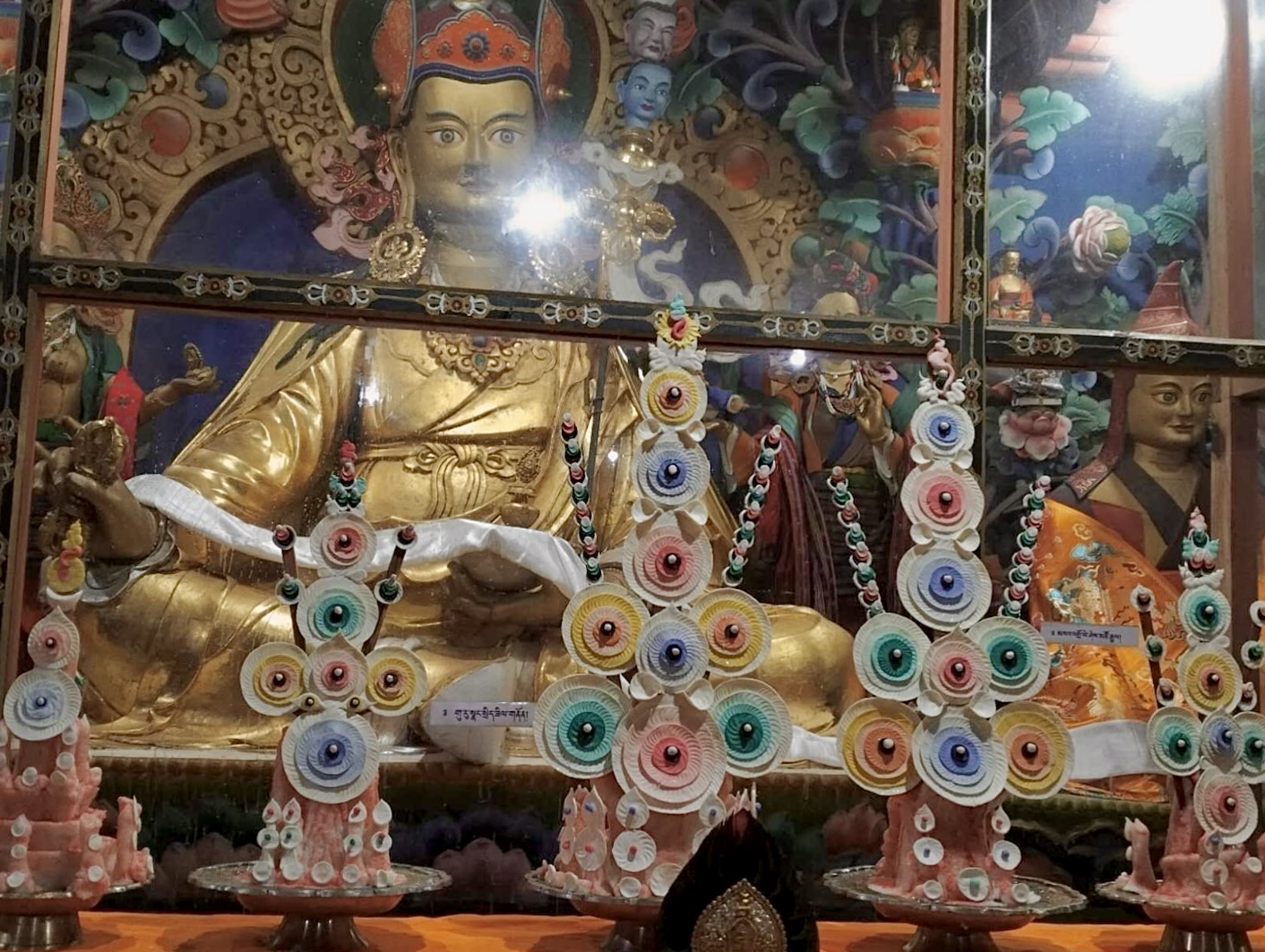
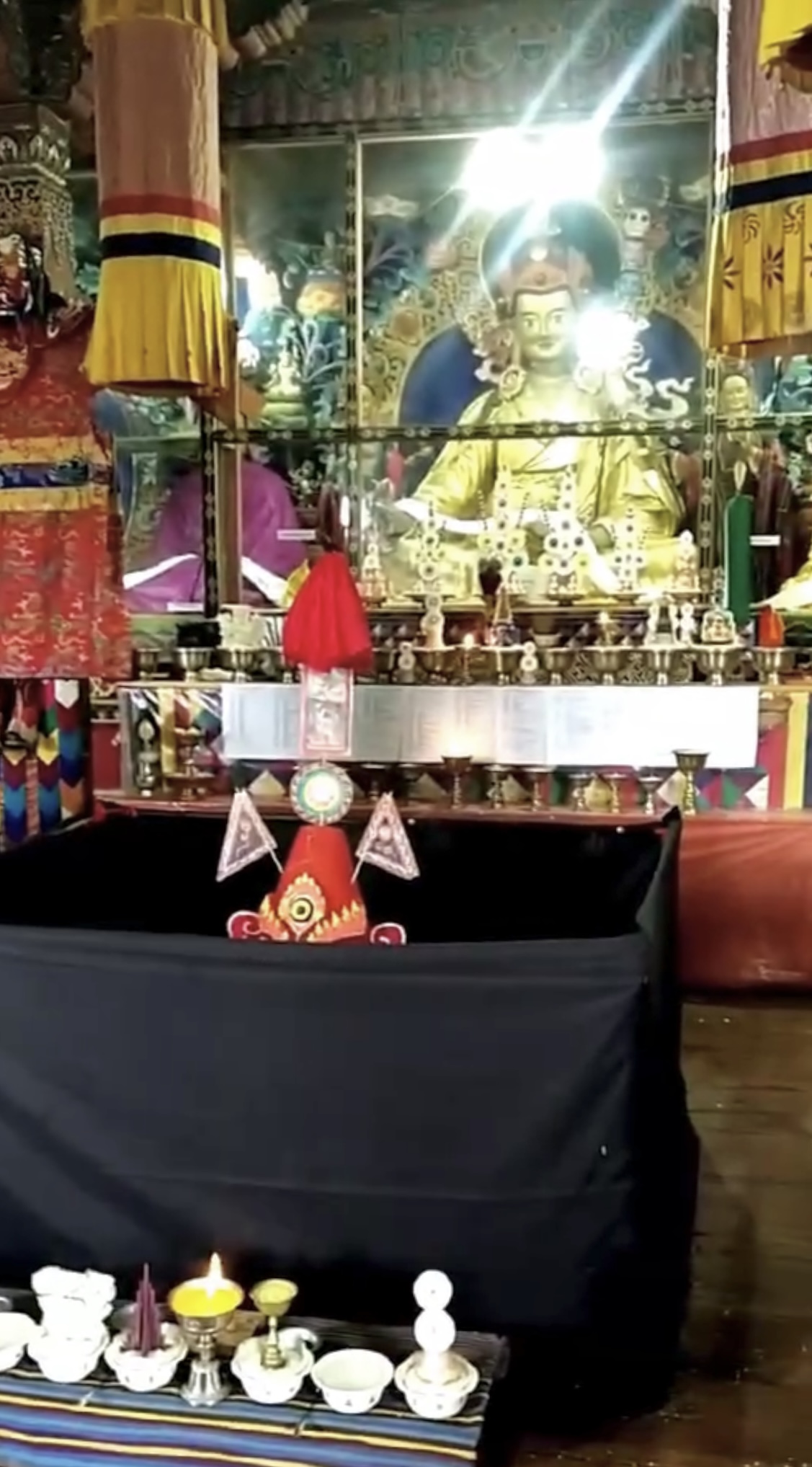
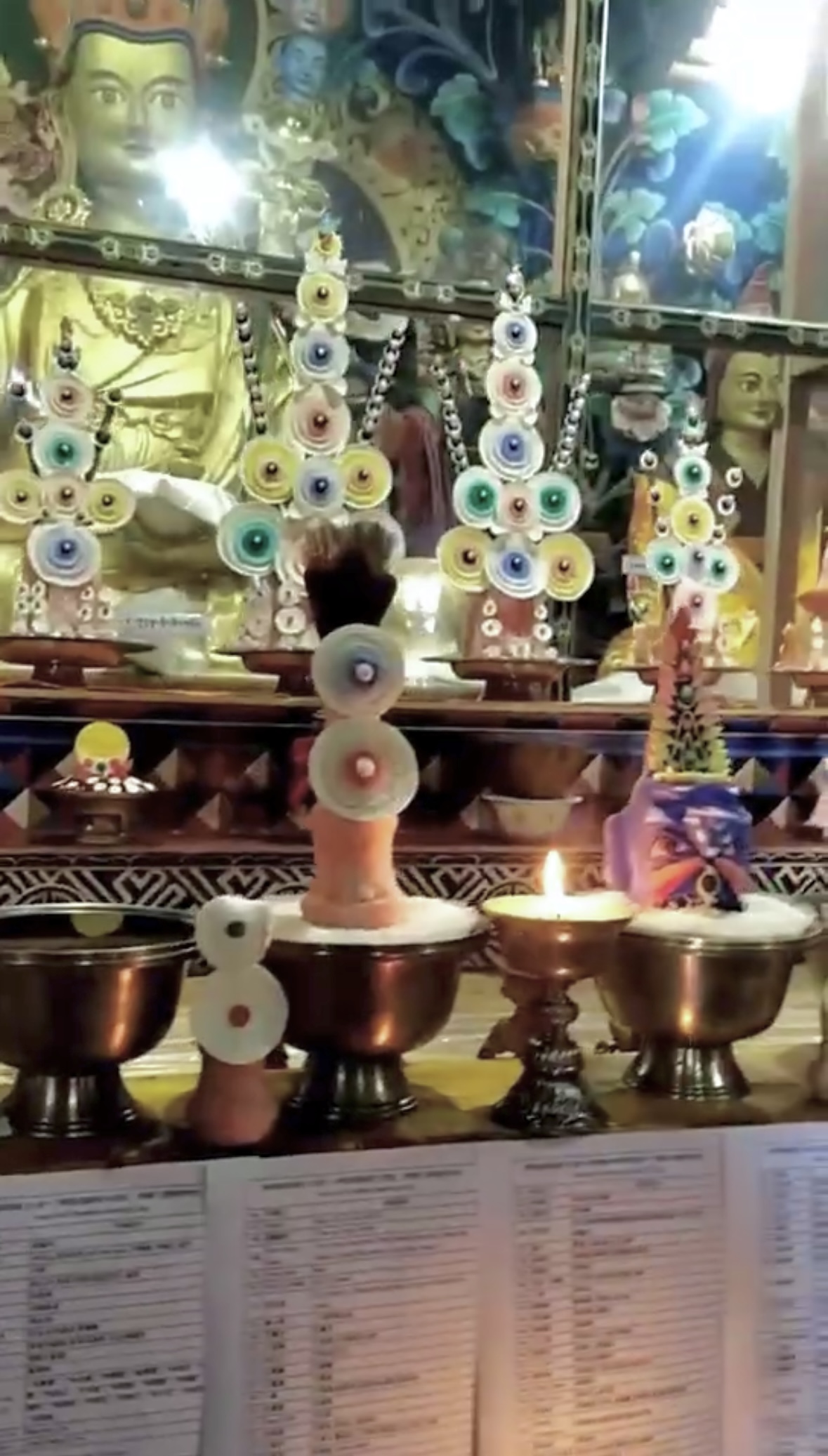
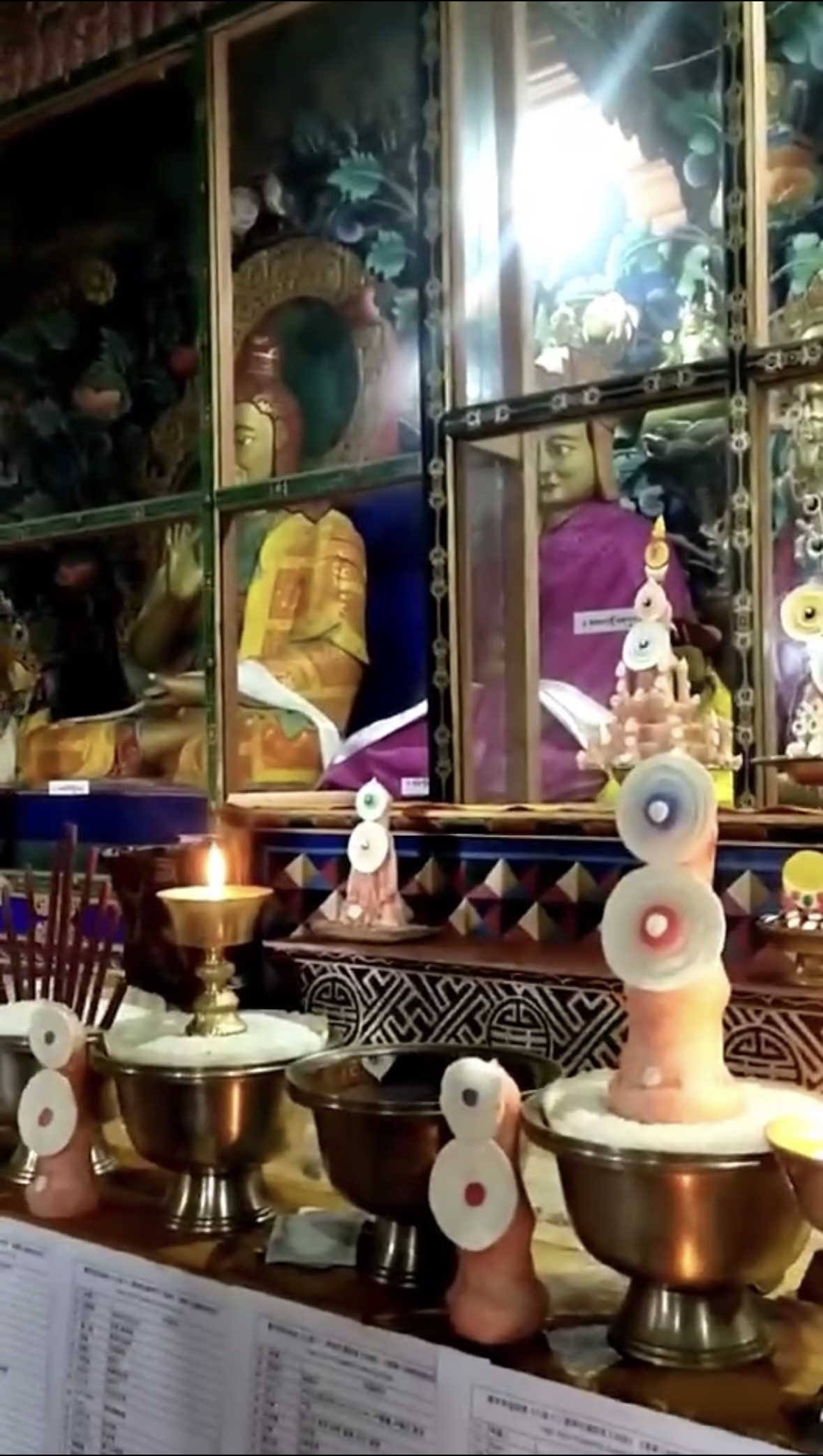
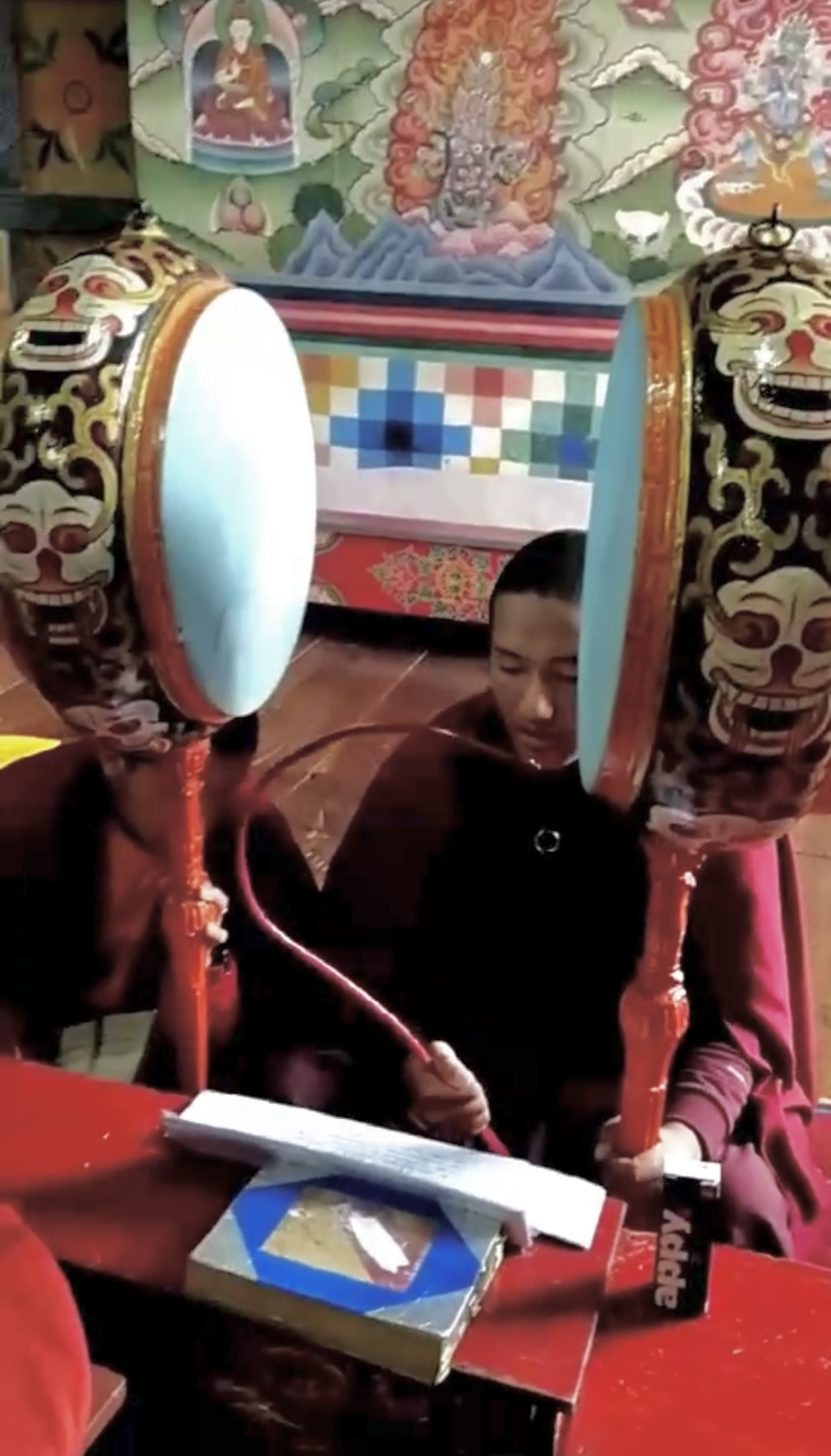
January 2025 Wood Dragon Year End-of-Year Obstacle Removal Ceremony Successfully Completed
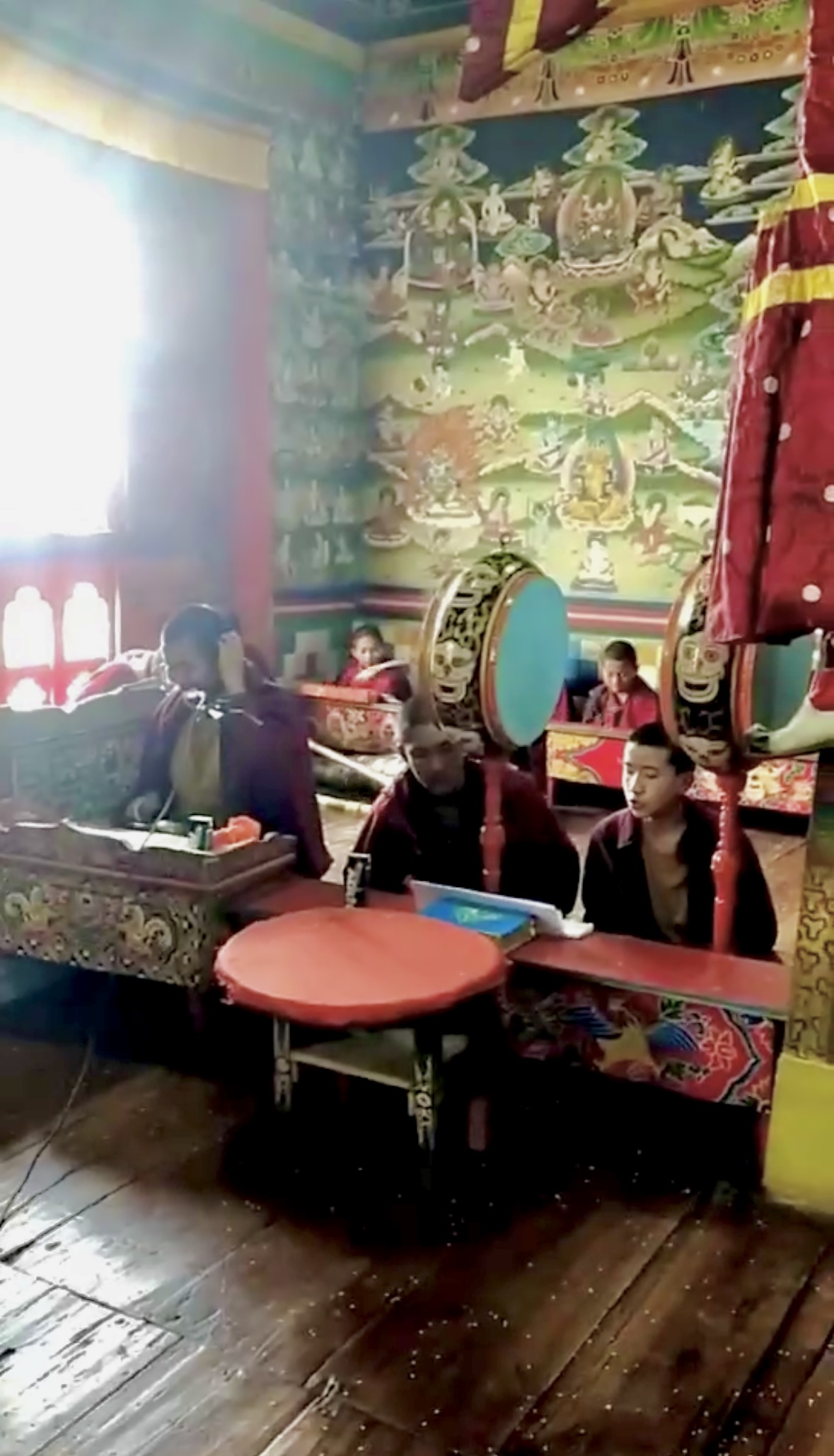
Venue: Eastern Bhutan Ani Monastery
Presiding Masters: The Abbot, Khenpo Jigme Wangchuk, together with the entire monastic sangha
Ceremony Date: January 28, 2025 (12th Lunar Month, 29th Day)
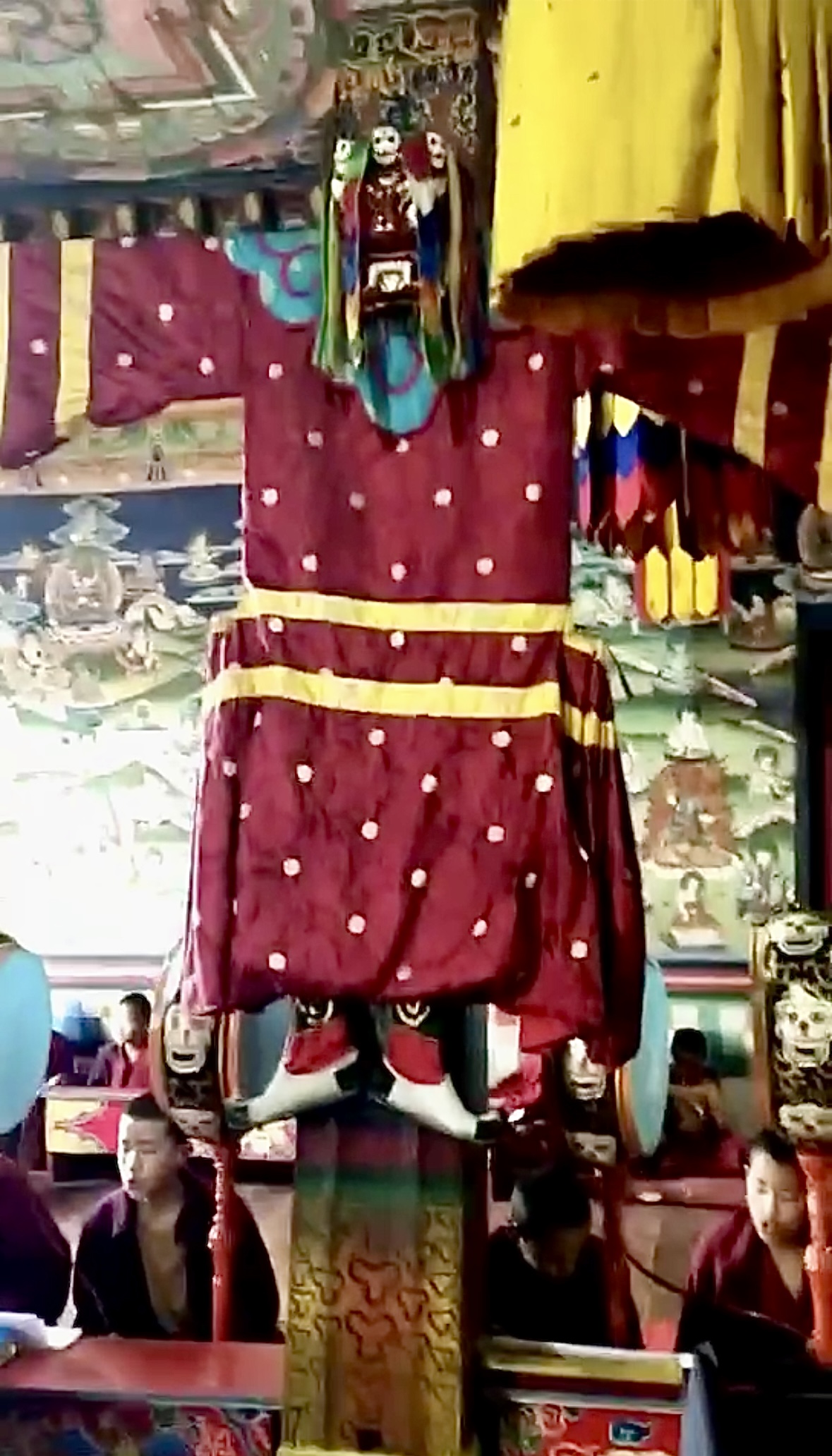
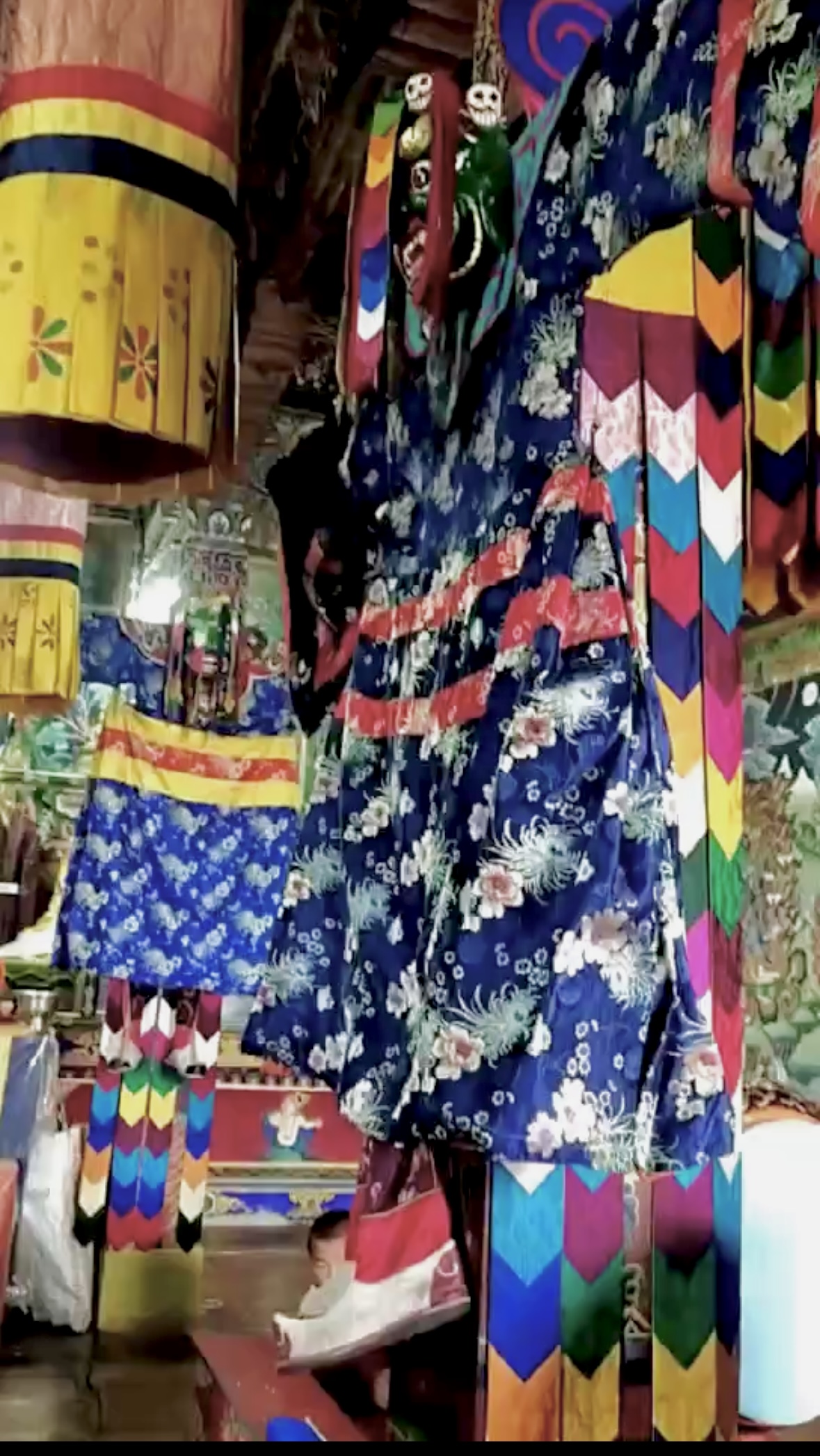
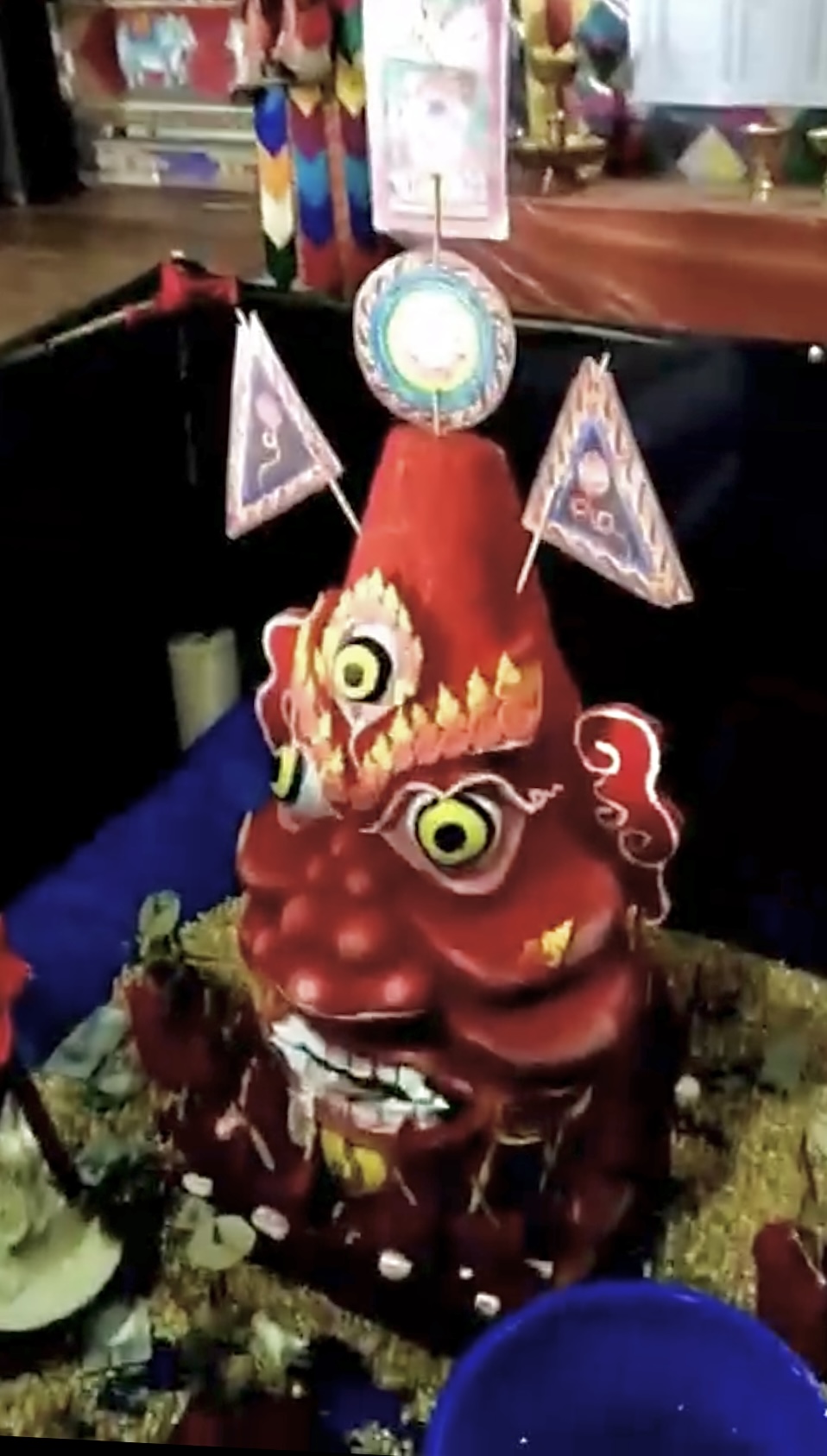
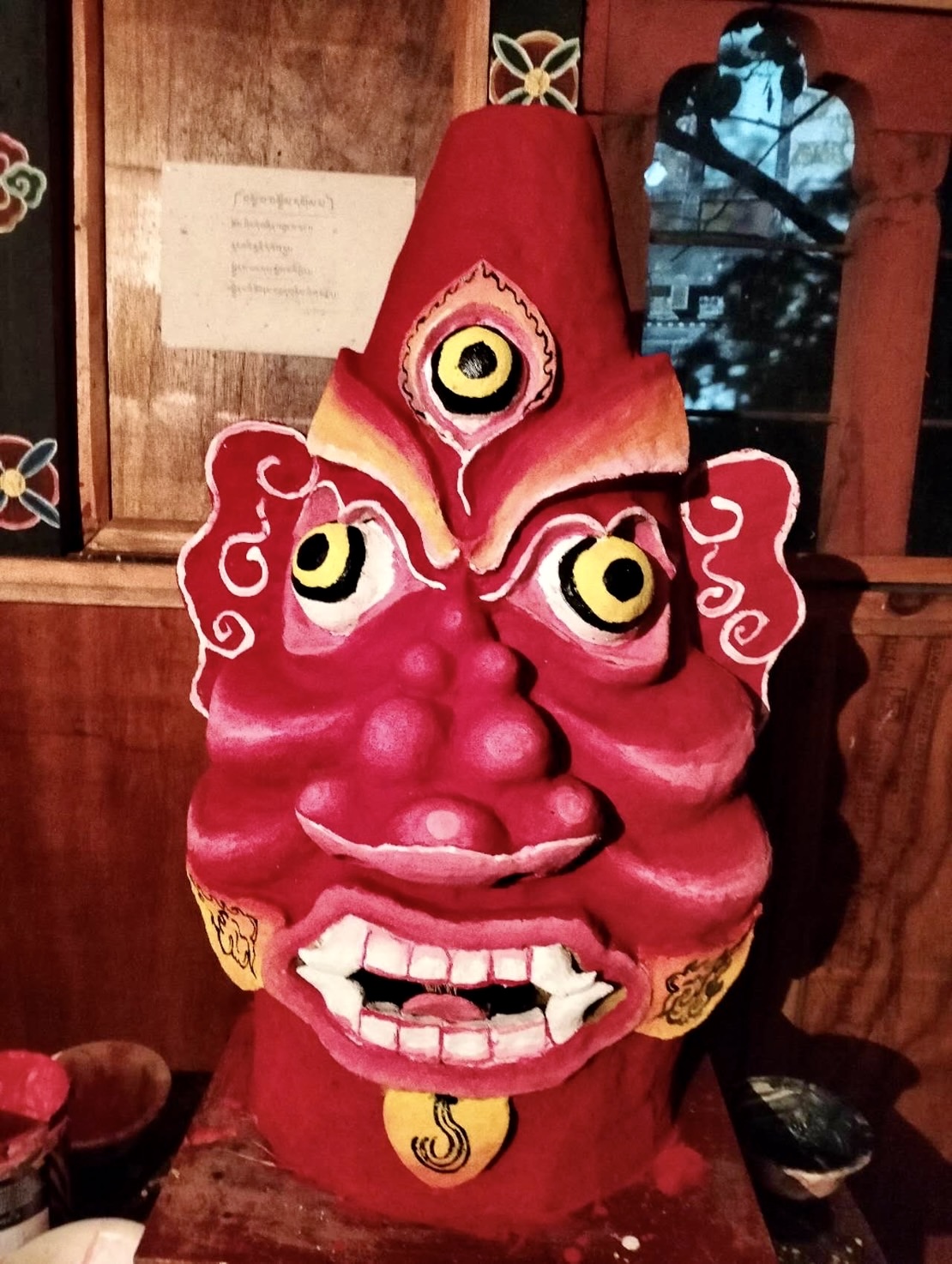
Year-End Wrathful Obstacle-Repelling Ceremony
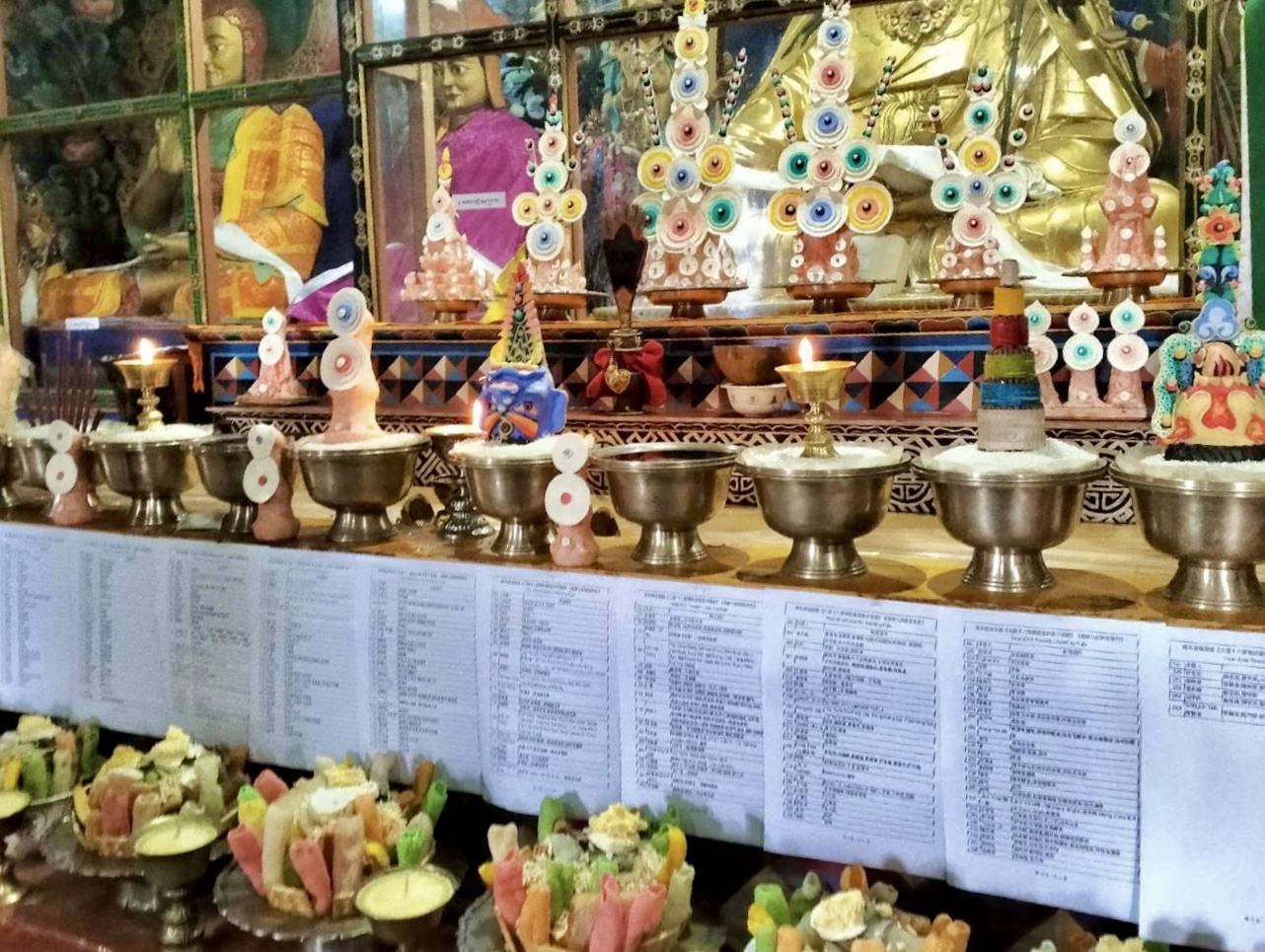
Nine-Faced, Eighteen-Armed Wrathful Guru Rinpoche Torma Ritual
Among the many obstacle-clearing practices, the Wrathful Guru Rinpoche is regarded as the complete embodiment of all the wrathful enlightened activities of the Buddhas, and the ultimate expression of wrathful and subjugating activities.
Within the Pema Lingpa lineage, the Wrathful Guru Rinpoche is the inseparable manifestation of Guru and Yidam — the supreme wrathful blood-drinking deity and the unsurpassed protector against the eight classes of spirits and obstructing forces. Among all the treasure revelations of wrathful Guru Rinpoche practices, this is considered one of the most powerful and forceful manifestations, especially suited for the challenges of the present age.
Beyond removing obstacles for the coming year, this profound ritual is also performed as a powerful protection and reversal practice against the obstacles foretold for the Iron Dog Year (2030). For oneself, one’s family, and all sentient beings, this practice carries immense significance.
Year-End Dharma Protector Offering and Confession Ceremony
The Maning Eight Classes Offering and Propitiation Ritual
The Maning Eight Classes are among the most important Dharma Protectors of the Pedling lineage and are regarded as the root protectors of the Ancient Nyingma tradition during the Early Translation period. They are considered the very source and ultimate essence of all Dharma Protectors across the various Buddhist lineages.
Among them, Maning Mahākāla is especially revered as the wrathful manifestation of Samantabhadra. He is regarded as the King of all Mahākālas and the primordial source from which all Mahākāla forms of every Buddhist tradition arise.
Thus, to make offerings and praises to this Mahākāla is equivalent to making offerings and praises to all Mahākālas. Likewise, to confess before this Mahākāla is considered equivalent to confessing before all Mahākālas.