En
L
M
S
0

H.H. Gangteng Rinpoche

The Life and Previous Incarnations of Gangteng Tulku Rinpoche

尊貴崗頂祖古仁波切的轉世傳承
The Sacred Incarnation Lineage of His Eminence Gangteng Tulku Rinpoche
(可開啟CC中文字幕)


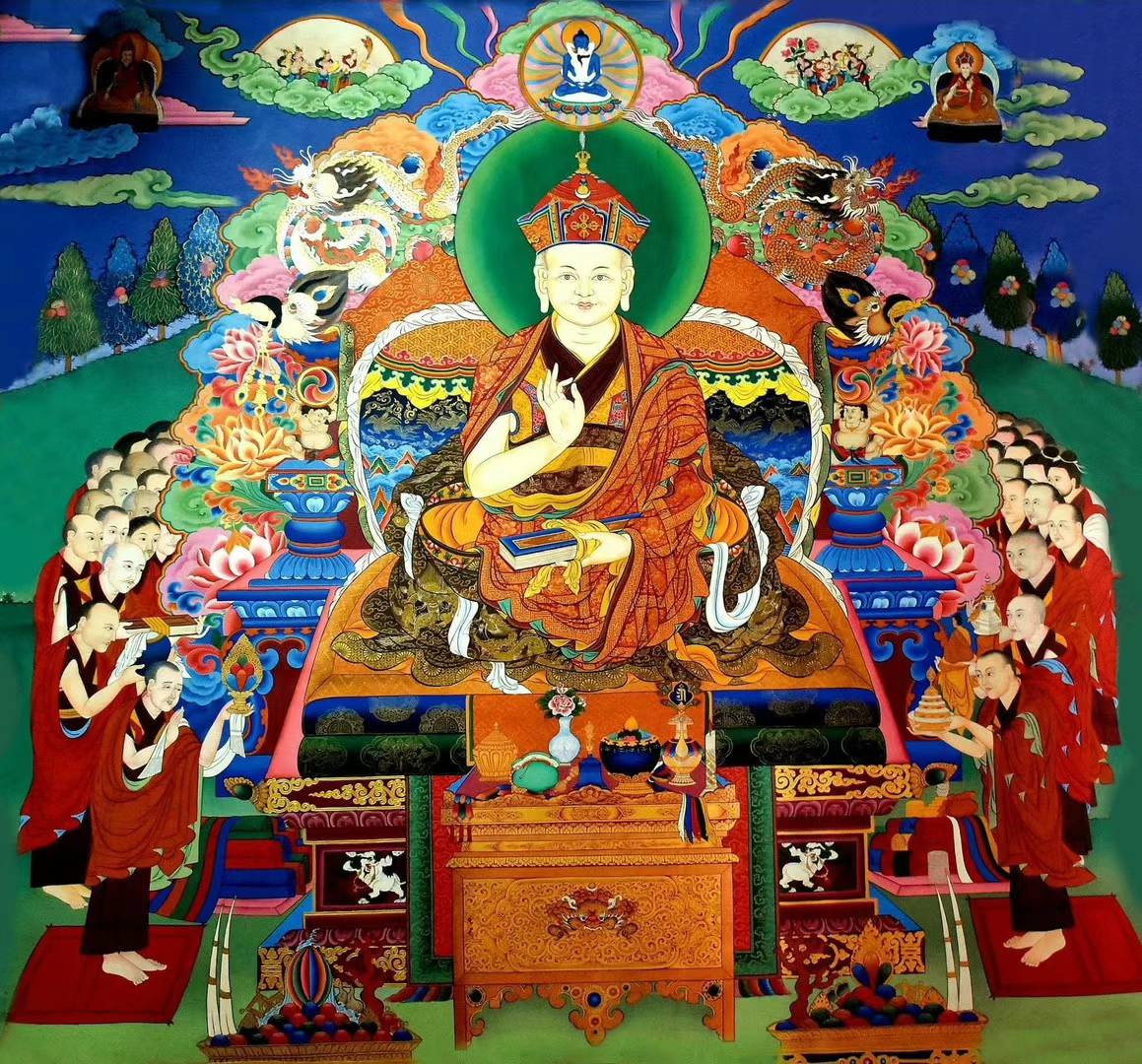
The First Gangteng Dharma King

The tenth day of the ninth month in the Bhutanese calendar commemorates the parinirvana anniversary of the First Gangteng Dharma King, Dharma Son Pema Trinley.

The great master was recognized as the body emanation among the three principal incarnations of Pema Lingpa and became the foremost holder of the Pedling lineage in Bhutan. For disciples of the lineage, the sacred life stories of the successive Gangteng Dharma Kings are of profound importance, especially for deepening one’s practice within the lineage, strengthening unwavering devotion, and giving rise to authentic faith.

From the ultimate perspective, the Gangteng Dharma King attained perfect enlightenment countless aeons ago within the primordial ground of the Dharmakāya Buddha Samantabhadra. Yet, for the benefit of beings connected through karma and aspiration, he continues to manifest within this saha world, displaying countless enlightened emanations as a compassionate dance of awakened activity.


The Gangteng Dharma King During the Time of the Buddha

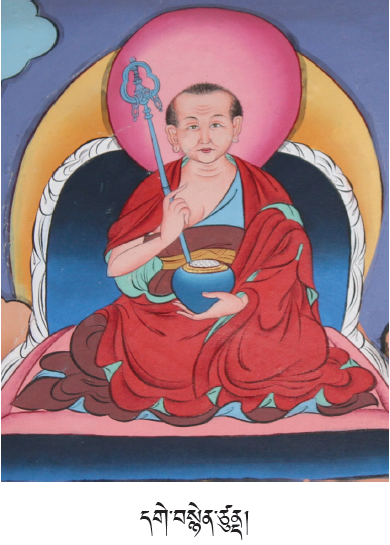
During the lifetime of Gautama Buddha, the Gangteng Dharma King is said to have manifested as the lay devotee Cunda (Sanskrit: Cundā). In certain Buddhist biographies, his name is also rendered as Chunda or Chunā.

Cunda is renowned as the final person to offer food to the Buddha before the Blessed One entered parinirvana. His offering is regarded as one of the two most significant meals offered during the Buddha’s lifetime. The first was the milk-rice offered by the shepherd maiden Sujata prior to the Buddha’s enlightenment beneath the Bodhi tree. The second was the sandalwood mushroom broth offered by Cunda, which became the auspicious condition for the Buddha’s manifestation of Mahāparinirvāṇa.

In the Mahāparinirvāṇa Sūtra, the Buddha bestowed the following prophecy concerning Cunda:

“Cunda has obtained great merit, great longevity, beauty, strength, noble reputation, abundant wealth, heavenly rebirth after death, and the spontaneous fulfillment of his aspirations.
Why is this so?
Because there are two offerings of food whose merit is perfectly equal:
the offering made to the Buddha before enlightenment,
and the offering made to the Buddha before entering parinirvana.”

Thus, within the sacred lineage biographies, Cunda is regarded as an exalted emanation whose offering completed one of the most profound and sacred moments in the Buddha’s earthly manifestation.


The Gangteng Dharma King During the Time of Guru Padmasambhava

During the era of Guru Padmasambhava and the Three Great Dharma Sovereigns, the Gangteng Dharma King manifested as one of the twenty-five principal disciples of Guru Rinpoche who attained the realization of the “unfailing dhāraṇī wisdom” — the perfect and irreversible retention of the sacred teachings.

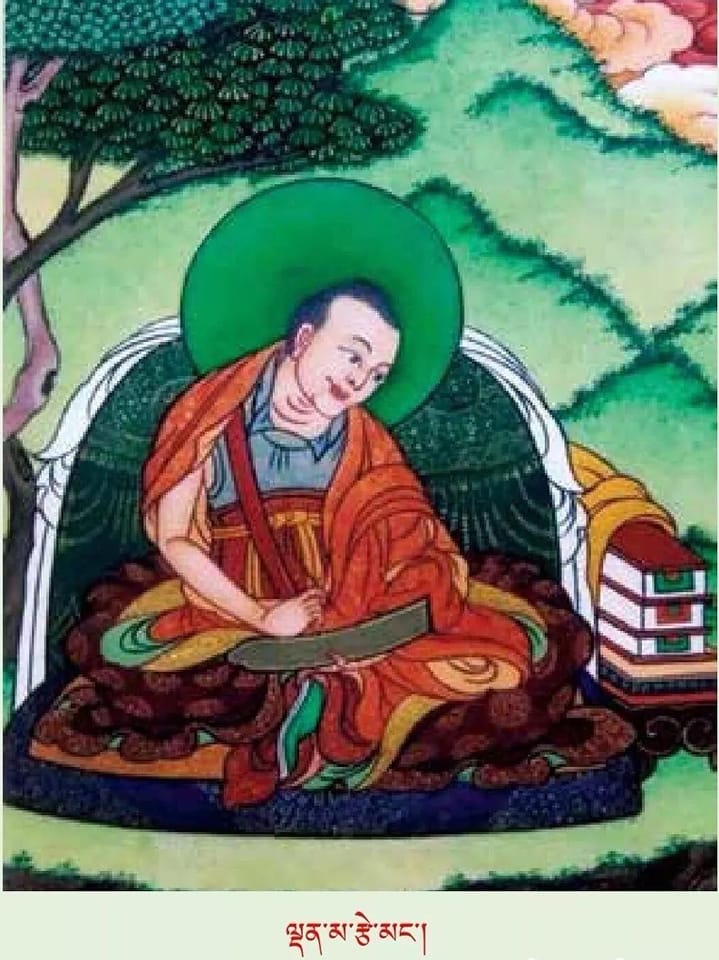
He was also counted among the renowned Three Great Translators and Three Minor Translators of Tibet, and was therefore known as the great translator Denma Tsewang (Tibetan: ལྡན་མ་རྩེ་མང་།; Wylie: ldan ma rtse mang).

Under the direct guidance of Guru Padmasambhava, Denma Tsewang received and mastered numerous profound Vajrayana teachings and attained great realization. He was especially renowned for his exceptional literary skill and sacred calligraphy. Many treasure scriptures were personally transcribed by him.

Among the most famous examples is the renowned treasure cycle The Embodiment of the Sugatas from the Eight Great Spoken Transmissions, which is traditionally said to have been written in the hand of Denma Tsewang himself.


The Gangteng Dharma King During the Later Diffusion of Buddhism in Tibet

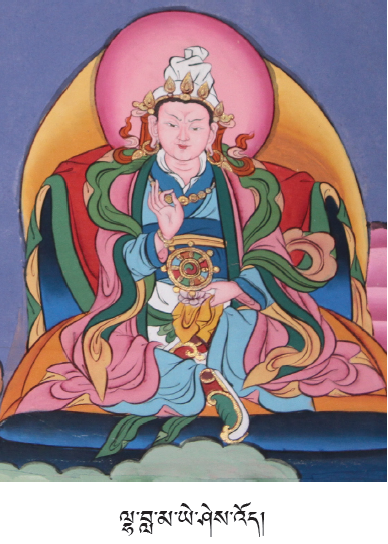
Following the persecution of Buddhism under King Langdarma, the Gangteng Dharma King is said to have taken rebirth within the sacred bloodline of Dharma King Trisong Detsen as the great protector king of the Later Diffusion of Buddhism in Tibet — Lha Lama Yeshe Ö (Tibetan: ལྷ་བླ་མ་ཡེ་ཤེས་འོད་; Wylie: lha bla ma ye shes ’od).

Determined to revive the Buddhadharma after its decline, King Yeshe Ö devoted his entire life to restoring the teachings. He searched tirelessly for gold in order to invite the great Indian master Atisha to Tibet. Ultimately, he sacrificed his own life for the sake of the Dharma and died while imprisoned by non-Buddhist rulers.

In order to ensure the restoration of Buddhism in Tibet, King Yeshe Ö also sent twenty-one gifted young Tibetans to India to study Sanskrit and receive Buddhist teachings. Through his efforts, many great translators emerged, foremost among them the Great Translator Rinchen Zangpo and the junior translator Ngok Loden Sherab (Tibetan: རྔོག་བློ་ལྡན་ཤེས་རབ་; Wylie: rngog blo ldan shes rab).

The newly translated sutras and tantras produced by these masters became the very foundation for the revival of Buddhism in Tibet, inaugurating the golden age of the Later Diffusion period.


To be continued…